
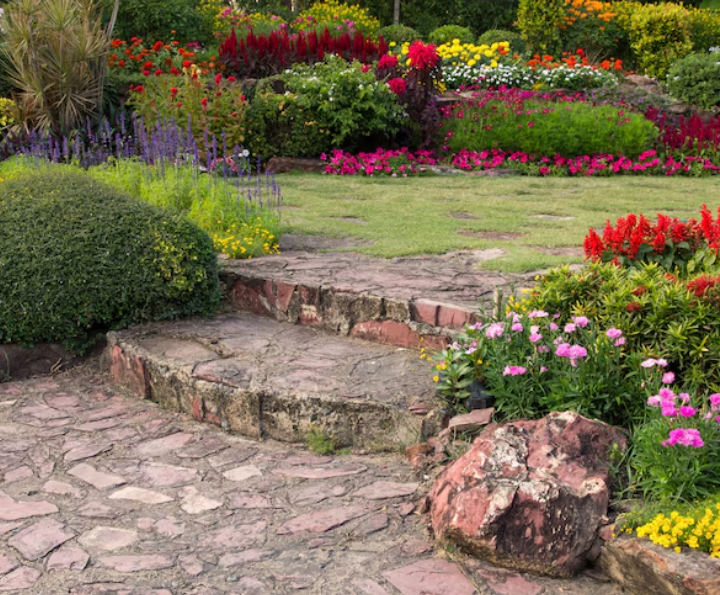
A colorful garden can make an ordinary outdoor space feel much more cheerful. You do not need to dig up the whole yard or spend every weekend planting things.
A few thoughtful changes can make a noticeable difference. Color can come from flowers, leaves, pots, and even the way plants are grouped together. The trick is to work with the space you already have.
Start With A Simple Plan
Before buying plants, walk around your garden and decide where you want more color. A dull corner near the patio might need a bright planting area, while a plain garden border could use a little extra interest.
Pay attention to sunlight too. Some plants enjoy plenty of sunshine, while others prefer shade. Choosing plants that match the conditions in your garden can make caring for them much easier. Think about the overall look you want as well. You could choose a few bold colors or create a softer mixture.
Think Beyond Green Leaves
Flowers are not the only way to add color. Some plants have bright, patterned, or unusually shaped leaves that can make a garden interesting even when flowers are not blooming. Colorful foliage works nicely around paths, patios, pots, and garden borders.
It can also provide a steady splash of color throughout the growing season instead of appearing for only a short time. Try mixing different leaf shapes and shades. A plant with bold leaves can look especially attractive beside something with smaller or softer foliage.
Try Mixed Caladium Bulbs
Mixed caladium bulbs can be a simple way to bring different colors and leaf patterns into a planting area. Instead of choosing every shade separately, a mixed selection can give you variety from the start. Caladiums are known for attractive foliage, so they can brighten areas where you want colorful leaves rather than relying entirely on flowers.
They can work well in suitable garden beds or containers, depending on the growing conditions. For beginners, a mixed selection can also make planning easier. You can plant several together and enjoy the changing combination as they grow.
Give Plants Enough Space
It can be tempting to squeeze lots of plants into one small area because an empty patch of soil can look a little sad. However, planting too closely can cause problems later. Plants grow, and that tiny space between them can disappear surprisingly quickly.
Crowded plants may be harder to water, trim, and inspect. Poor airflow can also make some plant problems more likely. Before planting, check how large each plant is expected to become. Leave enough room for mature plants to grow without constantly bumping into their neighbors.
Keep The Color Going
A colorful garden needs a little attention throughout the season. Water plants according to their individual needs rather than giving everything the exact same amount. Check plants regularly and remove damaged or unhealthy leaves when appropriate.
This keeps the garden looking tidier and gives you a chance to notice problems early. You do not need to replace everything at once. Small changes can keep the garden looking lively while making the work much more manageable.