
Quartz materials for residential projects have become one of the most reliable and design-forward choices in modern home construction and remodeling. From kitchens and bathrooms to feature walls and utility spaces, engineered quartz continues to set the standard for durability, consistency, and aesthetic flexibility in 2026.
As homeowners demand surfaces that balance performance with visual appeal, quartz materials for residential projects are increasingly preferred by architects, designers, and builders. Brands like Hyundai L&C are helping shape this evolution with advanced engineered stone solutions designed for long-term residential use.
This guide explores why quartz remains a leading surface material, how it compares to natural stone alternatives, and what homeowners should consider when selecting quartz for residential applications.
Why Quartz Materials for Residential Projects Are Leading Modern Design
The rise of quartz materials for residential projects is not accidental. It is the result of evolving lifestyle needs, design expectations, and performance demands in residential environments.
Unlike natural stone, engineered quartz is manufactured using a precise combination of natural quartz crystals and resins. This process results in a non-porous, highly durable surface that performs consistently across applications.
Key reasons quartz dominates residential projects:
- Durability under daily use
Quartz resists scratches, chips, and general wear, making it ideal for high-traffic areas like kitchens. - Low maintenance requirements
Unlike granite or marble, quartz does not require sealing or specialized upkeep. - Design consistency
Engineered production ensures uniform color and pattern across slabs. - Stain resistance
Its non-porous surface prevents liquids from penetrating. - Versatile aesthetics
Available in marble-look, concrete-look, and solid color designs.
For homeowners, these advantages translate into fewer maintenance concerns and more design freedom across residential spaces.
Understanding Quartz Materials for Residential Projects in 2026
The latest generation of quartz materials for residential projects reflects significant advancements in manufacturing technology and design innovation.
Today’s quartz surfaces are no longer limited to basic patterns. Instead, they offer highly realistic stone visuals, improved structural strength, and expanded application flexibility.
What defines modern quartz surfaces:
- Advanced resin bonding for enhanced strength
- Improved heat and scratch resistance
- Ultra-realistic veining inspired by natural marble
- Large-format slab availability for seamless installation
These improvements make quartz suitable not only for countertops but also for backsplashes, shower walls, flooring accents, and even vertical design elements.
Manufacturers like Hyundai L&C continue to invest in innovation, ensuring that quartz materials meet the evolving expectations of residential design professionals.
Quartz vs. Other Surface Materials in Residential Design
When evaluating quartz materials for residential projects, it’s important to understand how they compare to other popular surface options.
Quartz vs. Granite
Granite is a natural stone known for its unique patterns, but it requires periodic sealing and can vary in porosity. Quartz offers more consistency and significantly lower maintenance.
Quartz vs. Marble
Marble provides timeless elegance but is prone to staining and scratching. Quartz delivers a similar aesthetic with improved durability and practicality.
Quartz vs. Solid Surface Materials
Solid surfaces are repairable but less resistant to heat and scratches compared to quartz.
Summary of advantages:
- Quartz offers better consistency than natural stone
- Requires less maintenance than granite and marble
- Provides stronger long-term performance for residential use
- Offers broader design flexibility than many alternatives
For most modern residential projects, quartz materials provide a balanced solution between beauty and functionality.
Applications of Quartz Materials for Residential Projects
One of the main reasons quartz continues to grow in popularity is its versatility. Quartz materials for residential projects can be used across multiple areas of the home without compromising performance or design continuity.
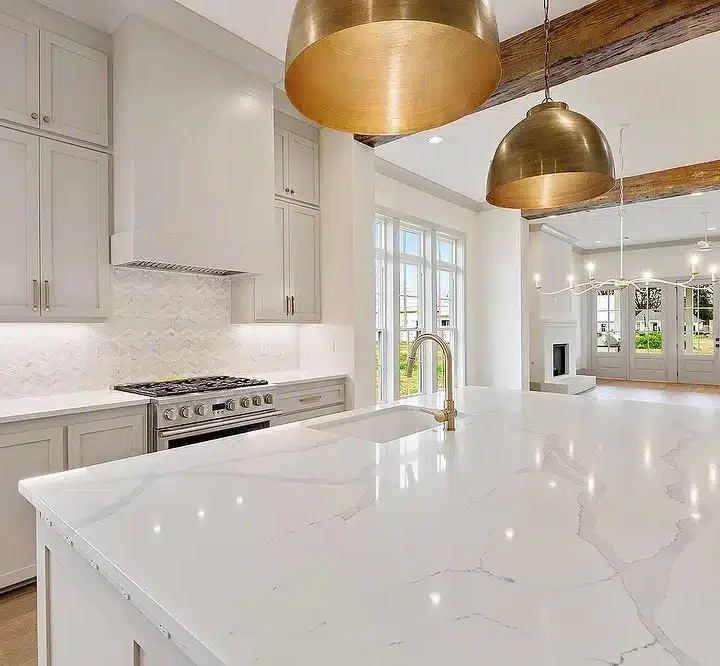
1. Kitchen Countertops
Kitchens remain the most common application. Quartz resists spills, heat exposure (within reasonable limits), and daily wear from cooking activities.
Popular design choices include:
- Marble-look quartz for luxury kitchens
- Matte finishes for modern minimalist spaces
- Bold veining for statement islands
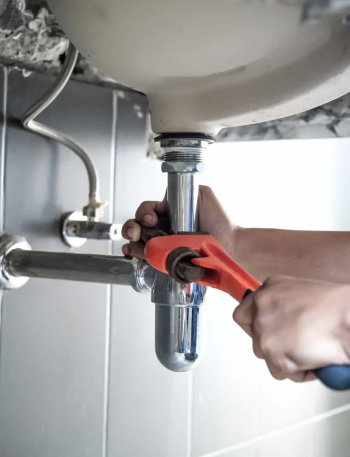
2. Bathroom Vanities and Walls
Bathrooms benefit from quartz’s water resistance and easy maintenance. It prevents moisture absorption, making it ideal for humid environments.
3. Flooring Accents
While not as common as countertops, quartz slabs can be used for accent flooring areas in high-end residential designs.
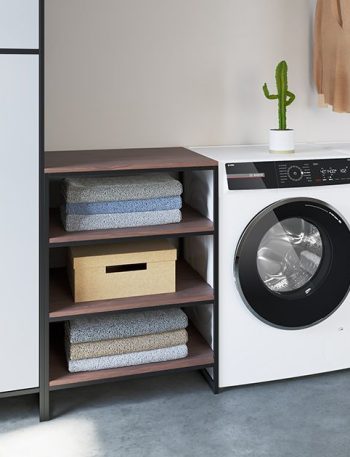
4. Laundry and Utility Rooms
Quartz is ideal for functional spaces where durability and easy cleaning are essential.
5. Feature Walls and Fireplaces
Large-format quartz slabs are increasingly used in vertical applications to create seamless, dramatic design statements.
Design Trends Driving Quartz Materials for Residential Projects in 2026
Residential design trends are heavily influencing how quartz materials are selected and applied.
Popular 2026 trends include:
- Natural stone realism
Quartz designs now closely mimic Calacatta, Carrara, and other premium marbles. - Minimalist neutral palettes
Whites, soft greys, and warm beige tones dominate residential interiors. - Bold veining patterns
Statement countertops and feature islands are becoming focal points. - Matte and honed finishes
These finishes create a softer, more natural surface appearance. - Seamless large slabs
Larger installations reduce visible seams and enhance visual flow.
These trends reflect a broader shift toward interiors that combine simplicity, durability, and timeless appeal.
What to Consider When Choosing Quartz Materials for Residential Projects
Selecting the right quartz surface involves more than choosing a color or pattern. Homeowners and designers should evaluate several key factors.
Important considerations:
- Quality of manufacturing
Higher-quality quartz offers better durability and consistency. - Thickness options
Common slab thicknesses include 2cm and 3cm, depending on application. - Finish type
Polished, matte, or textured finishes impact both appearance and maintenance. - Color stability
High-quality quartz resists fading over time. - Supplier reputation
Established brands ensure better product reliability and support.
Working with trusted manufacturers like Hyundai L&C ensures access to engineered quartz designed for long-term residential performance.
The Role of Hyundai L&C in Modern Quartz Innovation
As a global surface materials provider, Hyundai L&C plays a key role in advancing quartz materials for residential projects. Their focus on engineered stone innovation supports both aesthetic variety and performance reliability.
Through continuous research and development, Hyundai L&C delivers quartz surfaces that meet the demands of modern residential environments, from contemporary homes to large-scale design projects.
Their product lines are designed to support:
- Consistent surface quality
- Design flexibility for architects and builders
- Long-term residential durability
- Modern interior design trends
Maintenance Benefits of Quartz in Residential Projects
One of the strongest advantages of quartz materials for residential projects is their ease of maintenance.
Unlike porous materials, quartz does not require sealing or specialized cleaning treatments.
Simple maintenance routine:
- Clean with mild soap and water
- Avoid harsh chemical abrasives
- Wipe spills promptly (especially acidic substances)
- Use cutting boards to protect surface longevity
This low-maintenance nature makes quartz particularly attractive for busy households and rental properties.
Future Outlook of Quartz Materials for Residential Projects
Looking ahead, quartz materials for residential projects are expected to become even more advanced in both design and performance.
Key future developments may include:
- More sustainable manufacturing processes
- Increased use of recycled materials
- Enhanced heat resistance technologies
- Expanded ultra-thin slab applications
- Greater customization options for designers
As residential design continues to evolve, quartz is positioned to remain a core material in both renovation and new construction markets.
Conclusion
Quartz materials for residential projects have established themselves as one of the most practical and design-forward surface solutions available today. Their combination of durability, low maintenance, and aesthetic flexibility makes them ideal for modern homes.
From kitchens and bathrooms to feature walls and utility spaces, quartz continues to support both functional needs and design ambitions.
With industry leaders like Hyundai L&C driving innovation in engineered stone, homeowners and professionals alike can expect quartz surfaces to remain a cornerstone of residential design well into the future.