Embracing a lifestyle centered on simplicity and efficiency has become a global movement for those seeking to reduce their environmental footprint and financial overhead.
While the structures themselves are designed for maximum utility, the true value of this transition often lies in the social and logistical support found within a dedicated tiny homes community.
These specialized neighborhoods offer a structured environment where like minded individuals can share resources and experiences.
By prioritizing quality over quantity, residents can enjoy a higher standard of living that emphasizes personal freedom and collective well being over the accumulation of physical possessions.
1. Fostering a Supportive and Like-Minded Social Network
One of the most immediate advantages of living in a tiny homes community is the sense of belonging it provides. Residents often share similar values regarding sustainability, minimalism, and intentional living, which creates a natural foundation for strong friendships.
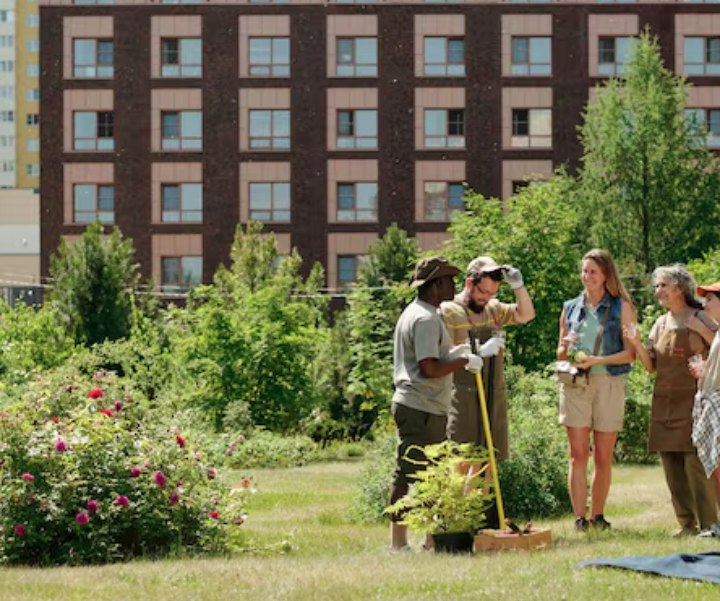
Common areas and shared gardens facilitate regular interaction, ensuring that while individual living spaces are compact, the social life of the neighborhood is expansive and rewarding.
2. Achieving Significant Financial Freedom and Reduced Costs
Choosing to reside in a tiny homes community allows individuals to drastically lower their monthly expenditures. Beyond the smaller mortgage or rental payments, the shared infrastructure often reduces the costs of utilities, maintenance, and security.
This financial flexibility enables residents to redirect their resources toward travel, education, or retirement savings, providing a level of economic security that is often difficult to achieve in traditional housing markets.
3. Promoting Environmental Sustainability and Resource Efficiency
The ecological impact of a smaller dwelling is significantly lower than that of a standard house. Within a tiny homes community, these benefits are often amplified through collective initiatives such as shared composting systems, solar energy grids, and community wide recycling programs.
Living in a high density, low impact area reduces land consumption and encourages a lifestyle that is in harmony with the local ecosystem.
4. Enhancing Security and Peace of Mind Through Collective Care
Safety is a primary consideration for any homeowner, and the close knit nature of these developments provides an inherent layer of security. In a managed tiny homes community, neighbors are more likely to know one another and keep a watchful eye on each other’s property.
Professional management often includes gated access and regular patrols, ensuring that the environment remains secure for individuals and families alike.
5. Accessing Premium Shared Amenities and Professional Services
While individual homes may lack certain luxuries, the community as a whole often provides high end facilities that would be expensive to maintain privately. This can include professional grade laundry rooms, high speed internet hubs, and fitness centers.
Having access to these amenities within the neighborhood ensures that residents do not have to sacrifice comfort or convenience when choosing a smaller private living space.
6. Simplifying Maintenance and Daily Home Management
The reduced square footage of a smaller home naturally leads to less time spent on cleaning and repairs. In a structured tiny homes community, much of the exterior maintenance and landscaping is handled by the management team.
This liberation from time consuming household chores allows residents to spend more of their day pursuing hobbies, engaging in outdoor recreation, or simply relaxing in a clutter free environment.